Why Did Trump Invite Lebanon’s President to Washington?
20-07-2026 10:11 AM GMT+03:00


President Joseph Aoun’s visit to Washington is being presented as a diplomatic opportunity. It may indeed be one. But in Lebanon, opportunities often arrive dressed as rescue plans and leave wearing the expression of exhausted creditors.
The most revealing detail is not only who travelled, but who apparently did not: Foreign Minister Youssef Raggi. Raggi is known for unusually direct positions against Iranian interference and Hezbollah’s armed autonomy. In a normal state, the foreign minister would be an obvious participant in a White House visit dealing with sovereignty, war, peace and relations with Israel. Lebanon, however, has perfected the art of conducting foreign policy while carefully avoiding the minister responsible for foreign policy.
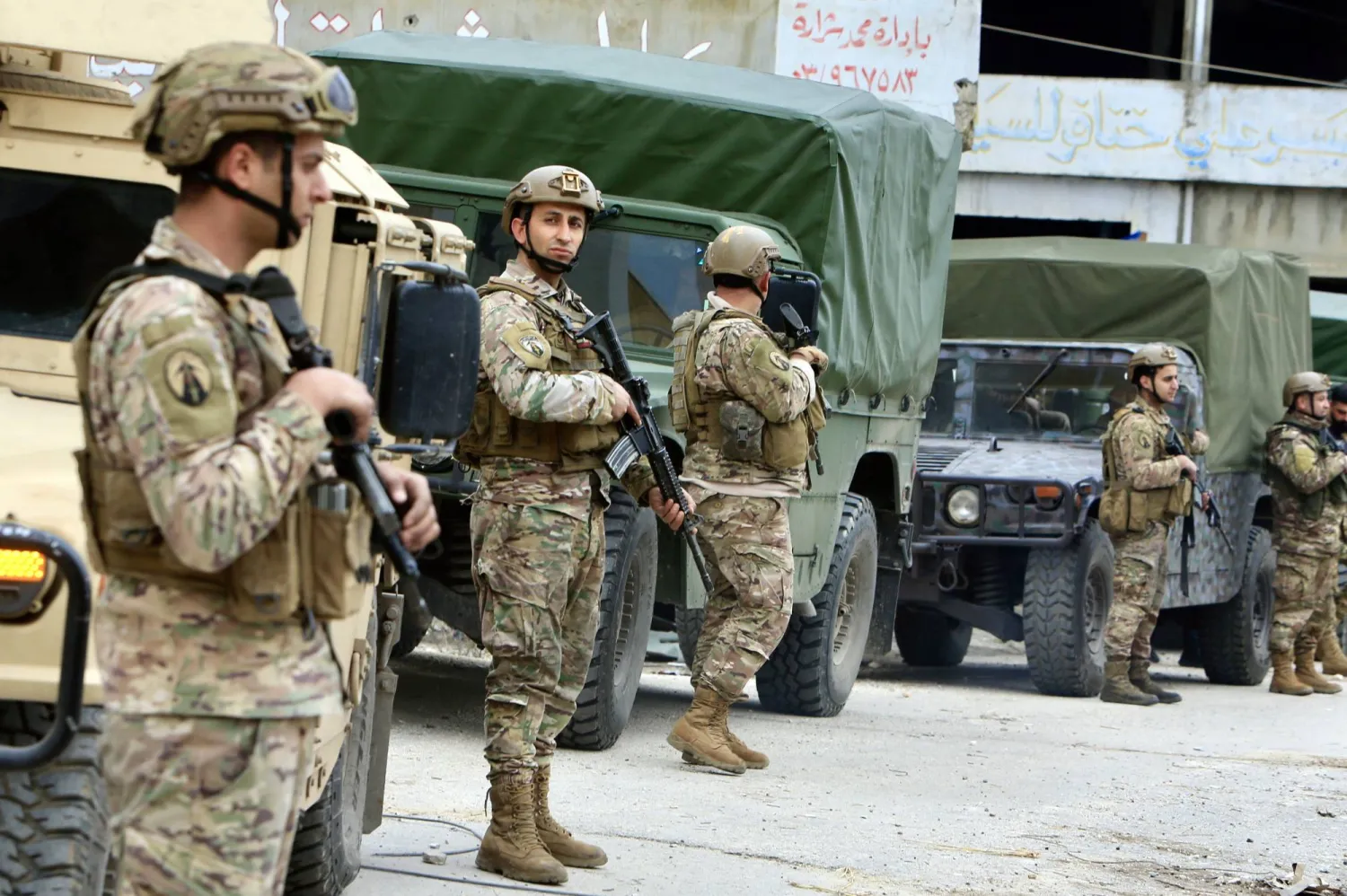
This absence matters because Lebanon’s central problem is not the lack of international resolutions, agreements or diplomatic ceremonies. It is the absence of a state capable of enforcing its decisions across its own territory. Since UN Security Council Resolution 1701 in 2006, the international community has repeatedly been asked to trust Lebanese promises that the army would deploy, weapons would be controlled and sovereignty would eventually become more than a constitutional ornament.
Then came the 2022 maritime-border agreement with Israel. Lebanon negotiated, signed and obtained recognition of a maritime border, while Hezbollah retained an independent capacity to decide whether the country would remain at peace. The November 2024 ceasefire again promised state authority and the implementation of resolutions requiring the disarmament of armed groups. Yet every agreement has encountered the same Lebanese translation: “The state agrees, provided nobody asks it to enforce the agreement.”
This is why confidence has collapsed. Israel does not trust Beirut to prevent Hezbollah from rebuilding. Washington does not trust declarations unsupported by deadlines and enforcement. Lebanese citizens do not trust institutions that announce sovereignty in the morning and negotiate with armed vetoes by evening. Even Hezbollah does not appear to trust the state, otherwise it would not insist on keeping a parallel army.
The comparison with Iraq is increasingly uncomfortable. Several Iraqi factions linked to the Popular Mobilization Forces have announced steps toward surrendering weapons or placing them under state command. Whether Baghdad fully succeeds remains uncertain, but at least the direction has been publicly declared. Hezbollah has issued no equally explicit, irreversible commitment to hand over its arsenal.
Nor has Lebanon’s constitutional authority clearly declared that it will confront Hezbollah if persuasion fails. It still speaks the diplomatic language of monopoly over arms while avoiding the political sentence that gives that language meaning: the state will enforce its monopoly.
Raggi’s absence therefore looks less like protocol and more like a signal. Washington will notice.
So why did Trump invite President Aoun? Probably to discover whether Lebanon has finally produced a president of a sovereign state, or merely another courteous spokesman for a sovereignty that exists mainly in speeches.
The answer, unfortunately, is not yet clear. And in Lebanon, ambiguity has usually been the prelude to disaster. Lebanon can no longer survive another agreement designed mainly for applause and failure
المصدر : Transparency News